
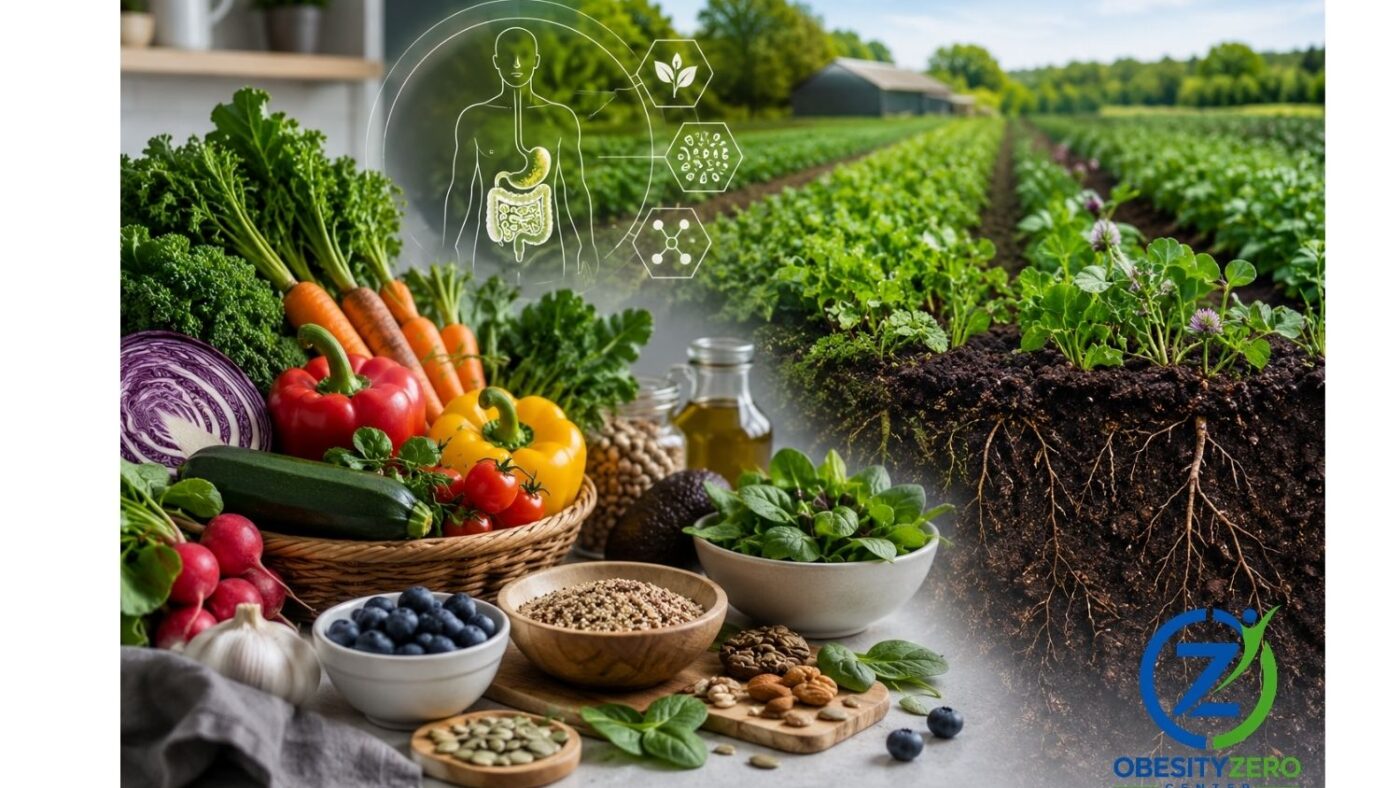
For decades, the standard advice for weight management has been simple: eat less, move more. Yet despite millions of people following this math, global obesity rates have nearly tripled over the last few decades.
Why isn’t the traditional formula working? Because the quality and chemical footprint of our food supply have changed dramatically.
To tackle obesity effectively, we have to look beyond simple calories and address the hidden impact of modern industrial agriculture. By shifting toward organically and regeneratively grown foods, we can reduce our toxic load, restore metabolic health, and build a more resilient body.
The Hidden Driver: Pesticides, Additives, and “Obesogens”
The rise of industrial farming introduced widespread chemical pesticides, synthetic fertilizers, and heavy processing to maximize yields and shelf life. While this increased production, it also flooded our food system with synthetic compounds known to science as environmental obesogens.
Endocrine Disruption & Hormonal Confusion
Many common pesticides (such as organophosphates and glyphosate) and food additives act as endocrine disruptors. These chemicals mimic or block natural hormones, specifically targeting:
- Insulin: Disrupting how the body regulates blood sugar, leading to increased fat storage.
- Leptin & Ghrelin: Altering the satiety signals that tell your brain when you’re full, causing persistent hunger and overeating.
Gut Microbiome Disruption
A healthy gut microbiome is essential for extracting nutrients, regulating inflammation, and maintaining a healthy weight. Broad-spectrum herbicides used in non-organic farming act like low-grade antibiotics. Over time, dietary exposure to these residues can deplete beneficial gut bacteria, leading to systemic inflammation and metabolic sluggishness—both strongly linked to obesity.
Why Organic and Regenerative Food Helps Combat Obesity
Choosing organic and regenerative food isn’t just an environmental statement; it’s a direct investment in your metabolic health.
| Aspect | Industrial / Conventional | Organic & Regenerative |
|---|---|---|
| Pesticide Residue | High exposure to synthetic herbicides/pesticides | Minimal to zero synthetic chemical exposure |
| Nutrient Density | Lower essential mineral & antioxidant content | Higher concentration of polyphenols & minerals |
| Gut Health Impact | Can disturb gut flora via chemical residues | Supports diverse microflora through living soil systems |
| Metabolic Effect | Triggers inflammatory & hormone-disrupting pathways | Supports natural satiety, lower inflammation, & insulin sensitivity |
Superior Nutrient Density Drives Satiety
Regenerative agriculture focuses on restoring soil biology. Healthy, microbe-rich soil produces plants with significantly higher levels of micronutrients, antioxidants, and trace minerals. When your body gets the genuine micronutrients it craves, natural satiety signals trigger properly—reducing constant cravings for calorie-dense, nutrient-poor foods.
Practical Ways to Shift Toward Regenerative & Organic Foods
Making the transition doesn’t mean changing your entire pantry overnight. Here are practical steps to start reducing toxic exposure and supporting regenerative food systems:
- Prioritize the “Dirty Dozen”: If budget is a constraint, prioritize buying organic for produce known to carry the highest pesticide loads (like strawberries, spinach, kale, and apples).
- Shop Local Farmers’ Markets: Talk to local growers. Many small-scale farmers follow regenerative and organic practices even if they haven’t paid for official certification.
- Look for Regenerative Certifications: Keep an eye out for labels like Regenerative Organic Certified (ROC) or Land to Market when shopping at the grocery store.
- Choose Whole, Unprocessed Foods First: Chemical additives like emulsifiers, artificial sweeteners, and preservatives are prevalent in ultra-processed foods. Prioritizing whole, organic ingredients eliminates these additives naturally.
The Takeaway: Obesity is a complex metabolic condition, not a personal failure of willpower. By choosing foods raised in living soil without synthetic chemicals, we remove metabolic obstacles and give our bodies the clean nourishment required to regulate weight naturally.