

Obesity Zero Center´s mission is to serve as a single source for folks struggling with obesity to access a full array of data driven education, supporting products, and helpful devices. These resources can help all of us to finally win this war so we can enjoy our lives to the fullest.
Take a look at the following practical data and forget the magic pills. Real, lasting results come from consistent daily habits.
Key Non-Pharmaceutical Relief Strategies
1. Water Therapy (Hydrotherapy)
Water provides natural buoyancy that supports up to 90% of body weight when immersed to chest height. This dramatically reduces the gravitational impact on hip and knee joints while allowing full range-of-motion movement.
- Warm Water Walking: Walking across a heated therapy pool builds leg strength without pounding force on joints.
- Gentle Water Aerobics: Using water resistance helps strengthen core and leg muscles, which in turn improves stability and posture on land.
2. Seated & Assisted Gentle Movement
Regular movement lubricates joints by stimulating the production of synovial fluid (the body’s natural joint lubricant). To prevent fall risks or excessive strain, movement should start from a secure seated position.
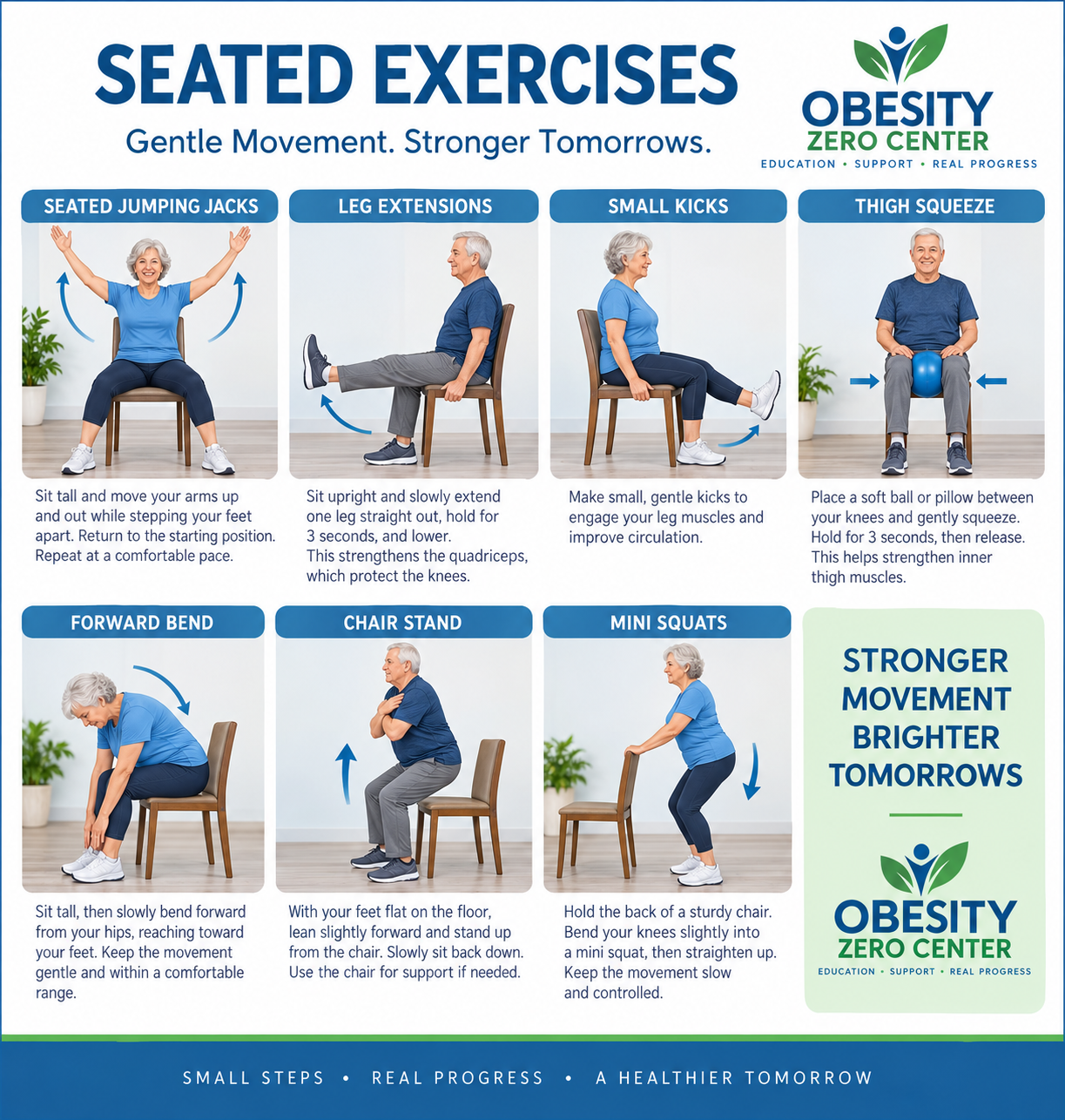
- Leg Extensions: Sit upright in a sturdy chair and slowly extend one leg straight out, hold for 3 seconds, and lower. This strengthens the quadriceps, which protect the knees.
- Seated Ankle Circles & Toe Taps: Keeps calf muscles relaxed and improves circulation in the lower extremities.
- Chair Yoga: Focuses on gentle torso twists and seated side stretches to relieve stiffness in the lumbar spine.
3. Contrast Thermal Therapy
Targeted temperature application helps manage different types of physical discomfort:
- Moist Heat (Warm Baths or Heating Pads): Best for chronic muscle stiffness and tightness before movement. Heat increases blood flow and relaxes rigid tissues.
- Cold Therapy (Ice Packs wrapped in a towel): Best applied for 15 minutes after activity to numb sharp joint pain and decrease localized inflammation.
4. Anti-Inflammatory Dietary Habits & Hydration
Systemic inflammation amplifies joint and muscle sensitivity. Simple dietary adjustments can help reduce baseline discomfort:
| Strategy | Mechanism | Practical Tip |
|---|---|---|
| Omega-3 Fatty Acids | Inhibits inflammatory pathways | Add ground flaxseed, walnuts, or fatty fish like salmon to meals |
| Hydration | Maintains cartilage lubrication | Aim for consistent water intake throughout the day |
| Polyphenol-Rich Foods | Antioxidant relief for soft tissue | Incorporate berries, green tea, and leafy greens |
5. Joint Offloading & Ergonomic Support
- Supportive Footwear: Orthotic inserts or structured arch-support shoes reduce impact forces traveling up through the ankles, knees, and hips during daily walking.
- Cushioned Seating & Elevation: Using firm chair cushions makes standing up easier, minimizing strain on the knees and lower back.

